
Herbal Supplements and Vitamins: Choosing the Best Fit for Your Health Goals
- Lucinda Nel
- Feb 10
- 3 min read
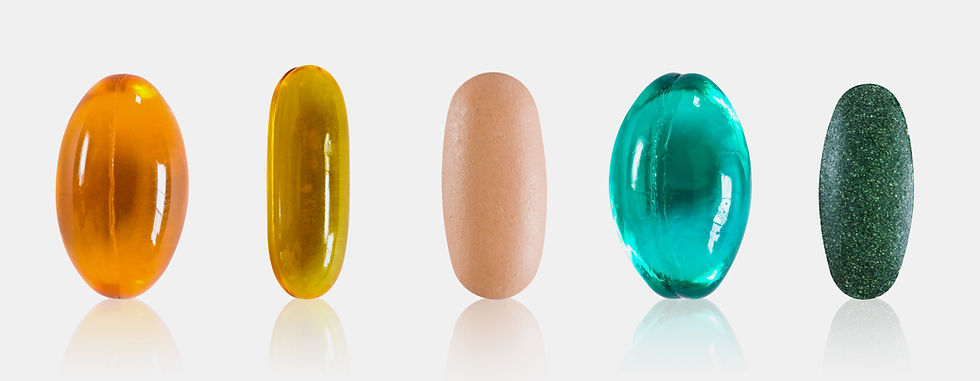
Choosing between herbal supplements and vitamins can feel confusing. Both promise health benefits, but they work differently and suit different needs. Understanding the key differences helps you pick the best option for your health goals. In this post, I’ll share what I’ve learned about herbal supplements vs vitamins: what’s the difference? and how to decide which fits your lifestyle.
What Are Vitamins and How Do They Work?
Vitamins are organic compounds essential for normal body function. We get most vitamins from food, but sometimes diet alone doesn’t provide enough. That’s where vitamin supplements come in. They fill nutritional gaps and support overall health.
Common vitamins include:
Vitamin C for immune support
Vitamin D for bone health
B vitamins for energy and metabolism
Vitamins usually come in isolated forms, like pills or capsules, containing specific nutrients. They have well-studied roles backed by decades of research. For example, vitamin D deficiency is linked to bone problems, so supplementing can help people with low levels.
What Are Herbal Supplements?
Herbal supplements come from plants and contain a mix of natural compounds. Unlike vitamins, they often include multiple active ingredients that work together. People use herbal supplements for various reasons, such as reducing stress, improving digestion, or boosting immunity.
Examples of popular herbal supplements:
Echinacea for colds
Turmeric for inflammation
Ginseng for energy and focus
Herbal supplements are less standardized than vitamins. Their effects can vary depending on plant quality, preparation, and dosage. Scientific evidence for many herbs is growing but still less consistent than for vitamins.
Key Differences Between Herbal Supplements and Vitamins
Understanding herbal supplements vs vitamins: what’s the difference? helps you make informed choices. Here are the main distinctions:
| Aspect | Vitamins | Herbal Supplements |
|----------------------|-------------------------------------------|------------------------------------------|
| Source | Isolated nutrients from food or synthetic | Whole plants or plant extracts |
| Composition | Single or few nutrients | Complex mixtures of compounds |
| Purpose | Prevent or treat nutrient deficiencies | Support specific health functions |
| Scientific Evidence | Strong, well-established | Varies, some well-studied, others less so |
| Regulation | Strict labeling and dosage standards | Less regulated, quality can vary |
| Side Effects | Usually mild if taken as directed | Can interact with medications, vary by herb |
How to Decide Which Is Best for Your Health Goals
Your choice depends on what you want to achieve and your current health status. Here are some scenarios to consider:
When Vitamins Make Sense
You have a diagnosed vitamin deficiency (e.g., low vitamin D or B12)
You follow a restricted diet that limits nutrient intake (e.g., vegan or vegetarian)
You want to support general health with proven nutrients
You need a simple, reliable way to fill nutritional gaps
When Herbal Supplements May Help
You want to support a specific body function, like digestion or stress relief
You prefer natural, plant-based options
You are interested in traditional remedies with a long history of use
You understand the potential risks and consult a healthcare provider
Safety Tips for Using Herbal Supplements and Vitamins
Both herbal supplements and vitamins can be helpful, but safety matters. Here are some tips I follow and recommend:
Talk to your doctor before starting any new supplement, especially if you take medications
Buy from reputable brands with third-party testing
Follow dosage instructions carefully
Watch for side effects or allergic reactions
Avoid combining multiple supplements without guidance
Examples of Combining Both for Better Health
Sometimes, combining vitamins and herbal supplements works well. For example:
Taking vitamin D with turmeric may support bone and joint health
Using B vitamins alongside ginseng can boost energy and reduce fatigue
Combining vitamin C with echinacea might enhance immune defense
Always check with a healthcare professional to avoid interactions.
Final Thoughts on Herbal Supplements vs Vitamins
Choosing between herbal supplements and vitamins depends on your health goals and needs. Vitamins provide essential nutrients with strong scientific support, making them ideal for filling dietary gaps. Herbal supplements offer natural plant-based options that may support specific health areas but require careful selection and use.
By understanding herbal supplements vs vitamins: what’s the difference?, you can make choices that fit your lifestyle and support your well-being. Start by identifying your health priorities, consult a healthcare provider, and choose quality products. Your body will thank you for thoughtful care.
If you want to explore supplements further, consider keeping a health journal to track how you feel with different options. This simple step helps you notice benefits or side effects and guides better decisions.



Comments